
INDEPENDENT PASSIVE FIRE PROTECTION SPECIALISTS
PASSIVE FIRE PROTECTION INSPECTIONS ACROSS THE UK
Independent Fire Inspections Ltd provides specialist passive fire protection inspection, construction assurance and passive fire technical services throughout the UK.
Our inspection capability includes fire stopping, cavity barriers, fire doors, compartmentation, fire-resistant glazing, partitions, dampers, ductwork and structural fire protection.
Independent Fire Inspections Ltd is a UKAS-accredited Type A Inspection Body for activities within its published Schedule of Accreditation. Our fire door inspection service is undertaken under the BlueSky Certification Fire Door Inspection Scheme.
We also provide separate passive fire technical and design services, including remedial design support and assessment of non-standard passive fire protection conditions. These consultancy activities sit outside the UKAS-accredited inspection scope.
UK Regulatory Compliance
Experienced Fire Specialists
Traceable Inspection Records
Trusted By Clients Nationwide







Who We Are
PASSIVE FIRE INSPECTION SPECIALISTS
Independent Fire Inspections Ltd specialises in passive fire protection inspection, construction assurance and technical support.
Our inspection work helps clients understand the visible condition, installation and conformity of passive fire protection against defined inspection criteria and available supporting evidence.
We operate as a UKAS-accredited Type A Inspection Body for activities within our published accreditation scope, with other inspection, technical and design services clearly identified separately.
Our fire door inspection service is third-party certified under the BlueSky Certification Fire Door Inspection Scheme.
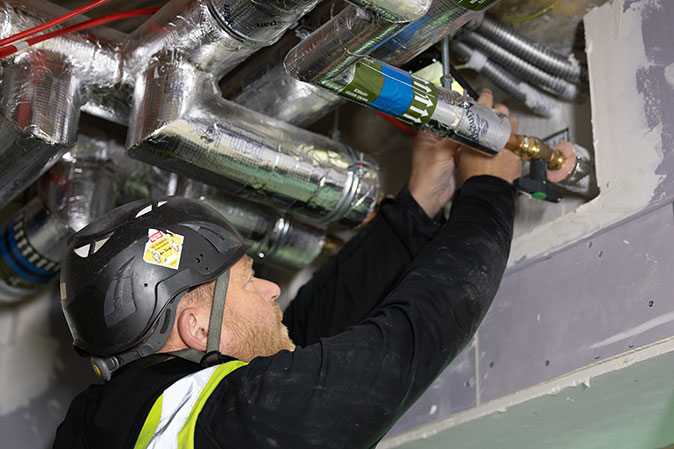
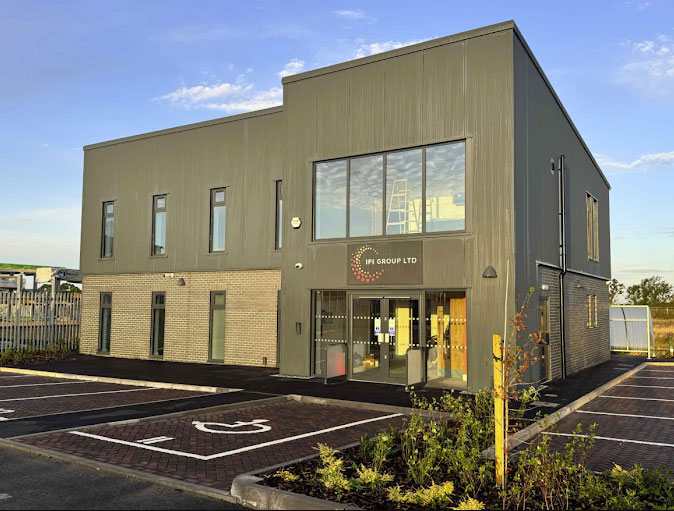
At IFI Group, we specialise in providing independent passive fire protection inspections for organisations throughout the UK. Our inspections help clients understand the condition and effectiveness of their passive fire protection systems while providing clear, evidence-based reports that support compliance with the Regulatory Reform (Fire Safety) Order, the Building Safety Act and other relevant standards and guidance.
Our experienced inspectors assess a comprehensive range of passive fire protection measures, including fire doors, fire stopping, cavity barriers, fire-rated glazing, compartment walls, fire-rated partitions, fire dampers and fire-resistant ductwork.
Every inspection is undertaken with a meticulous attention to detail, using recognised inspection methodologies and supported by clear photographic evidence, allowing clients to make informed decisions regarding maintenance, repair and remedial works.
As a UKAS-accredited Type A Inspection Body, we undertake our inspection activities in accordance with the applicable independence and impartiality requirements of ISO/IEC 17020 and our accredited inspection arrangements.
This means our recommendations are based solely on the condition of the building and the evidence identified during the inspection, providing confidence for clients, insurers, regulators and responsible persons alike.
Our services are trusted by housing associations, NHS organisations, education providers, commercial property owners, developers, contractors, facilities management companies and local authorities across the UK.
Whether you require inspections for a single building, a high-rise residential development, a healthcare facility or a nationwide property portfolio, our experienced team can deliver a professional service tailored to your specific requirements.
Beyond identifying defects, our inspection reports provide clear observations and recommendations for appropriate next steps.
Where a defect requires specialist passive fire design or development of a remedial solution, a separate Passive Fire Designer service can also be provided outside our UKAS-accredited inspection scope.
We work collaboratively with clients throughout the inspection process, ensuring they understand not only what issues have been identified, but why they matter and what actions should be taken next.
When you appoint IFI Group, you are choosing a specialist inspection company committed to protecting people, property and compliance through independent, technically robust passive fire protection inspections.
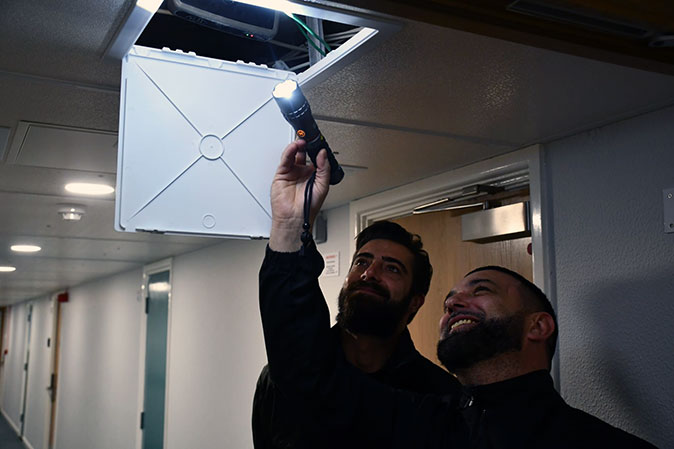
Inspection or Passive Fire Design?
Different projects require different types of support.
Inspection assesses installed construction against defined requirements and available evidence.
Passive Fire Design develops or coordinates the technical solution where an existing detail is unsuitable, non-standard or requires remediation.
Independent Fire Inspections Ltd can provide both types of service under clearly defined appointments. Where a UKAS-accredited Type A inspection is required following IFI design involvement, the proposed arrangement will be reviewed against the applicable independence and impartiality requirements before the inspection appointment is accepted.
SPECIALIST PASSIVE FIRE PROTECTION SERVICES
Passive fire protection systems work together to create effective compartmentation throughout a building, limiting the spread of fire and smoke while protecting escape routes and supporting occupant safety.
Our comprehensive inspection services enable building owners, responsible persons and duty holders to understand the condition of these critical life safety systems, identify non-compliances and prioritise remedial works.
Each inspection is completed by experienced specialists and supported by detailed digital reports containing photographic evidence, clear observations and practical recommendations.
Inspection Services:
BlueSky-Certified Fire Door Inspection
Third-party certified inspection of existing fire doors and fire door assemblies, including leaf condition, frames, gaps, seals, glazing, ironmongery and self-closing devices, supported by location-referenced digital records.
Fire Stopping Inspections
We carry out a professional inspection service for penetration sealing systems, linear joints and associated fire stopping against the available design information, tested or assessed systems and agreed inspection criteria to ensure full peace of mind.
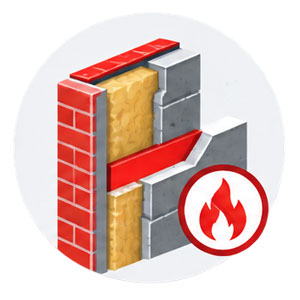
Cavity Barrier Inspections
Inspection of cavity barriers (including roof spaces and concealed voids) for location, continuity, orientation, fixing, compression, cavity width and interfaces against agreed design information and all available supporting evidence.
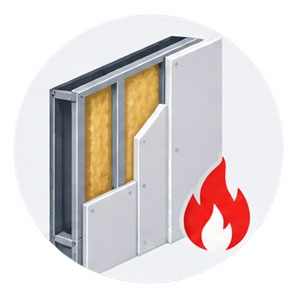
Fire Rated Partitions and Ceiling Systems
We inspect fire-rated partitions and compartment walls, assessing construction, integrity, junction details and penetrations to identify defects and maintain the required level of fire resistance throughout a building’s layout to ensure nothing is overlooked.
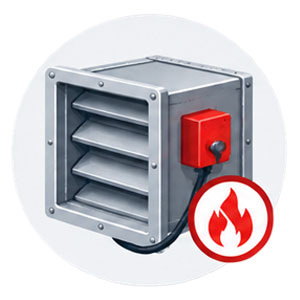
Fire Compartmentation Surverys
Our reporting can include photographic evidence, location-based observations, defect commentary and notes on fire doors, fire stopping, service penetrations, cavity barriers and other passive fire safety features.
Fire Dampers & Fire Rated Ductwork
Inspection of fire and smoke dampers and fire-resisting duct systems, considering installation, supporting construction, accessibility, interfaces and available supporting information.
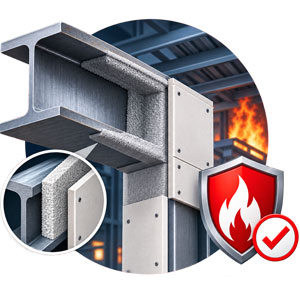
Structural Steel Fire Protection
Inspection of structural steel fire protection including boards, reactive/intumescent coatings and sprayed systems against the available fire protection design and product information.
Fire Rated Glazing Inspections
Inspection of fire-resistant glazing systems including glass, framing, beads, seals, fixings and interfaces with supporting construction, to identify defects and ensure effective compartmentation and fire resistance levels.
Technical & Design Services

Passive Fire Protection Clerk of Works
Our passive fire protection clerk of works service provides quality assurance throughout construction, monitoring fire protection installations to identify defects and help ensure works meet required specifications and relevant fire safety standards.
Passive Fire Designer & Remediation Design Support
Where passive fire defects cannot be resolved by simply reinstating a clearly established tested or assessed detail, our Passive Fire Designer service can review the condition, coordinate technical evidence and develop appropriate remedial design information.
Passive Fire Protection Technical Reviews
Technical review of passive fire protection evidence, nonstandard site conditions and existing construction to identify what is supported, what remains unresolved and where further assessment, design or investigation is required.
PFP Engineering Assessment & Evidence Reviews
NEED A PASSIVE FIRE INSPECTION?
Speak to Independent Fire Inspections for professional advice, detailed inspections and straightforward reports that help you understand your building’s fire safety requirements.
Why Organisations Across the UK Choose IFI Group
Selecting the right passive fire protection inspection provider is about more than technical knowledge. It requires confidence that inspections will be carried out independently, professionally and consistently, providing clear information that supports compliance while helping protect both people and property. At IFI Group, we have built our reputation on delivering technically robust inspections backed by practical advice and exceptional client service.
One of the key reasons clients choose IFI Group is our status as a UKAS Accredited Type A Inspection Body. This accreditation demonstrates our commitment to competence, consistency and impartiality, giving clients confidence that our inspections are carried out independently and in accordance with recognised quality standards. Unlike organisations that both inspect and install products, our independence ensures our findings and recommendations remain objective and evidence-based.
Our team brings extensive experience across a wide range of sectors, including healthcare, education, residential developments, commercial property, industrial facilities, student accommodation and public sector buildings. From individual buildings to complex multi-site property portfolios, we understand that every project presents different challenges, requiring a tailored inspection approach rather than a one-size-fits-all solution.

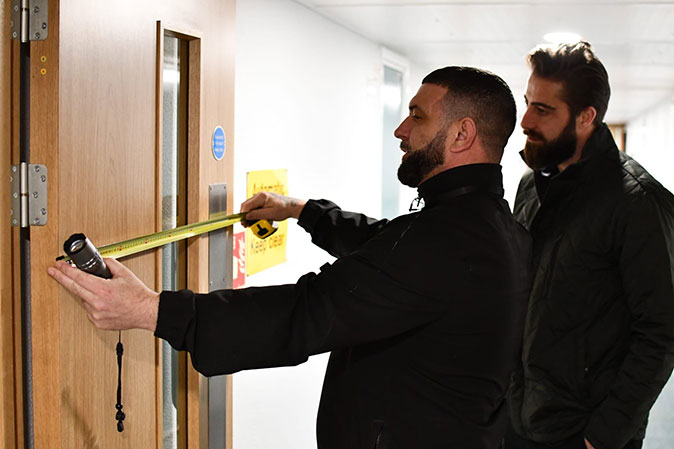
We believe inspection reports should provide more than a list of defects. Every report we produce is carefully structured to include detailed observations, high-quality photographic evidence, clear explanations of identified issues and practical recommendations that help clients prioritise remedial works. This enables responsible persons, facilities managers and building owners to make informed decisions while maintaining accurate compliance records.
Our nationwide coverage allows us to support clients throughout England, Scotland and Wales, delivering responsive inspection services with minimal disruption to building occupants and day-to-day operations. Whether inspections are required during new construction, refurbishment projects or ongoing building maintenance, we work closely with clients to plan inspections efficiently and professionally.
Customer service is equally important to us. From your initial enquiry through to the delivery of your final report, our team remains available to answer questions, explain findings and provide guidance on the next steps. We understand that passive fire protection can be technically complex, which is why we focus on delivering clear communication alongside technical excellence.
When you choose IFI Group, you gain more than an inspection provider—you gain a trusted partner committed to improving fire safety, supporting regulatory compliance and helping ensure your buildings continue to provide safe environments for everyone who uses them.
What Our Fire Door Inspections Cover
Passive fire protection is essential across every building sector, but the challenges faced by each organisation can vary significantly depending on occupancy, building age, complexity and regulatory requirements.
Our inspectors understand these differences and tailor every inspection to the specific risks associated with each environment.
We work with organisations across the UK, supporting both public and private sector clients with independent passive fire protection inspections.

Healthcare Facilities
Hospitals, healthcare facilities and medical centres require effective fire compartmentation to protect vulnerable occupants and maintain critical services. Our detailed passive fire inspections help healthcare providers demonstrate compliance while minimising disruption to everyday operations.

Residential & High-Rise Buildings
Apartment blocks, high-rise residential buildings and mixed-use developments require effective passive fire protection. Our inspections help responsible persons identify defects, understand building conditions and maintain compartmentation while supporting ongoing fire safety compliance.

Housing Associations
Housing providers are responsible for maintaining fire safety across diverse property portfolios. We support housing associations with independent inspection programmes, detailed reporting and practical recommendations that help prioritise remedial works and demonstrate ongoing regulatory compliance.

Commercial Property
Offices, retail premises, hotels and mixed-use developments rely on effective passive fire protection to safeguard occupants and assets. Our inspections help property owners and facilities managers identify defects, maintain effective compartmentation and support ongoing regulatory fire safety compliance.

Educational Institutions
Schools, colleges and universities require effective passive fire protection to provide safe environments for students, staff and visitors. Our inspections help education providers identify defects, maintain compartmentation and manage compliance while minimising operational disruption.
Industrial & Manufacturing
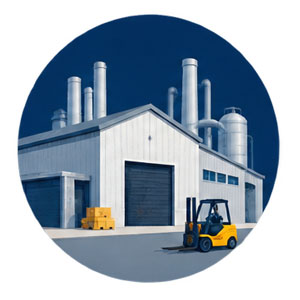
Industrial and manufacturing facilities can present complex fire risks due to production processes, plant and service installations. Our inspections assess passive fire protection systems, helping organisations maintain effective compartmentation, safer workplaces and ongoing compliance.

Construction & Developers
Developers, principal contractors and construction teams rely on us to provide independent inspection evidence regarding passive fire protection installations. We identify potential defects, support quality assurance and provide data throughout new-build, refurbishment and handover projects.
Our Passive Fire Protection Inspection Process
We believe that arranging a passive fire protection inspection should be straightforward, transparent and professionally managed from start to finish. Our structured inspection process ensures every project is delivered consistently while providing clients with the information they need to make informed decisions.
Initial Consultation
Every project begins with a discussion to understand your building, inspection objectives and any existing fire safety documentation. We take time to understand your requirements so that the scope of the inspection is tailored to your building rather than applying a generic approach.
Proposal & Inspection Planning
Once we understand your requirements, we prepare a clear quotation outlining the proposed scope of works, deliverables, programme and reporting process. We work closely with clients to schedule inspections at convenient times while minimising disruption to building occupants.
On-Site Inspection
Our experienced inspectors carry out a detailed assessment of the passive fire protection systems within your building. Using recognised inspection methodologies, we examine key fire safety elements, record observations, capture photographic evidence and identify any defects or areas requiring further investigation.
Detailed Digital Reporting
Following the inspection, we prepare a comprehensive digital report containing photographic evidence, defect schedules, observations, inspection observations, photographic evidence, defect records, evidence gaps, inspection status and recommendations for further action. Our reports are designed to provide clear, practical guidance for building owners, facilities managers and responsible persons.
Ongoing Support
Our service does not end with the report. We remain available to explain findings, discuss recommendations and help clients understand the most appropriate next steps. Where required, we can also undertake follow-up inspections to verify completed remedial works and provide continued assurance.
Frequently Asked Questions
What is a passive fire protection inspection?
A passive fire protection inspection is a detailed assessment of the fire-resisting elements built into a building.
Unlike active fire protection systems such as alarms and sprinklers, passive fire protection is designed to slow the spread of fire and smoke by maintaining compartmentation and protecting escape routes.
An inspection assesses the condition, installation and effectiveness of systems including fire doors, fire stopping, cavity barriers, fire-rated glazing, fire dampers and fire-resistant partitions, helping building owners identify defects and demonstrate compliance.
Why are passive fire protection inspections important?
Passive fire protection systems are critical to protecting life and property during a fire.
If these systems are damaged, incorrectly installed or poorly maintained, fire and smoke can spread much more rapidly throughout a building.
Regular inspections help identify issues before they become serious safety risks, support compliance with fire safety legislation and provide evidence that buildings are being managed responsibly.
Who is responsible for arranging passive fire inspections?
The Responsible Person, duty holder, building owner, facilities manager or organisation responsible for managing the building is typically responsible for ensuring passive fire protection systems are inspected and maintained.
This responsibility may vary depending on the building type and applicable legislation, but ensuring that passive fire protection remains effective is an essential part of ongoing fire safety management.
Can IFI undertake 100% inspection?
Yes. Where required by the client brief, Independent Fire Inspections Ltd can undertake 100% inspection of accessible passive fire protection installations.
Alternatively, an agreed sampling strategy can be used where appropriate.
The agreed inspection extent and any limitations are defined within the appointment and reporting.
What do your passive fire protection inspections include?
Our inspections can include assessments of:
- Fire doors
- Fire stopping
- Cavity barriers
- Fire-rated glazing
- Fire-resistant partitions
- Fire dampers
- Fire-resistant ductwork
- Compartmentation
- Structural fire protection
Each inspection includes detailed observations, photographic evidence and practical recommendations.
How often should passive fire protection systems be inspected?
Inspection frequencies vary depending on the type of building, occupancy, fire risk assessment recommendations and regulatory requirements.
Many organisations undertake regular planned inspections as part of their ongoing fire safety management strategy, particularly within healthcare, housing, education and commercial property portfolios.
Can IFI confirm concealed construction?
Only where the construction is visible or adequately evidenced.
Where passive fire protection is concealed, further opening up, installation photographs, destructive investigation or supporting records may be required before conformity can be assessed.
What is fire compartmentation?
Fire compartmentation is the process of dividing a building into separate fire-resisting compartments using walls, floors, doors and other fire-resisting construction.
These compartments help contain fire and smoke, protecting escape routes and reducing damage throughout the building.
What are the most common passive fire protection defects?
Some of the most common defects identified during inspections include damaged fire doors, missing intumescent seals, excessive door gaps, poor fire stopping around service penetrations, missing cavity barriers, damaged fire-resistant glazing, compromised compartment walls and incorrectly installed fire dampers.
What happens after an inspection?
Following the inspection, clients receive a comprehensive digital report containing photographic evidence, observations, identified defects and practical recommendations. Where appropriate, defects are prioritised to help clients plan remedial works efficiently.
Can you inspect occupied buildings?
Yes. Our inspectors regularly work within occupied residential buildings, healthcare facilities, schools, commercial premises and operational workplaces.
We plan inspections carefully to minimise disruption while maintaining the highest professional standards.
Do you provide nationwide inspections?
Yes. IFI Group provides passive fire protection inspections across England, Scotland and Wales, supporting clients with individual buildings as well as multi-site property portfolios.
What is a UKAS Accredited Type A Inspection Body?
A UKAS Accredited Type A Inspection Body has demonstrated competence, impartiality and consistency in delivering independent inspection services.
Type A accreditation provides assurance that inspections are carried out objectively and independently from installation or remedial works.
Can IFI Group inspect newly completed buildings?
Yes. We work with developers, principal contractors and project teams to inspect passive fire protection installations during construction and before practical completion, helping identify issues before buildings are handed over.
Do you provide re-inspections after remedial works?
Yes. Once remedial works have been completed, we can undertake follow-up inspections to verify that defects have been addressed and passive fire protection systems have been reinstated correctly.
How long does a passive fire protection inspection take?
Inspection times vary depending on the size, complexity and type of building.
During the quotation stage, we provide an estimated programme based on the scope of work required.
How do I arrange a passive fire protection inspection?
Simply contact our experienced team to discuss your building and inspection requirements.
We’ll recommend the most appropriate inspection strategy, provide a clear quotation and arrange a convenient inspection date.
Browse Our Resources
Our Services
Practical passive fire inspection services covering fire doors, compartmentation, fire stopping and key life safety measures.
Accreditations
Trusted fire safety expertise supported by recognised training, professional standards and inspection-led knowledge.
Learn About Us
Experienced fire inspection specialists helping clients identify defects, reduce risk and maintain safer buildings.
Read Our Blogs
Useful fire safety guidance, inspection advice and updates on passive fire protection, compliance and building safety.
NEED PASSIVE FIRE PROTECTION SUPPORT?
Whether you require independent inspection, constructionassurance, technical review or passive fire remediation design,speak to our team about the appropriate scope for your project.