
FIRE SAFETY COMPLIANCE
Structural Steel Fire Protection Boards, Intumescent Coatings & Wet Spray Inspection
Professional inspection services for protected structural steel, including fire protection boards, intumescent coatings, wet spray systems and associated passive fire protection details.
- Structural Steel Fire Protection Inspections
- Intumescent Coating Condition Checks
- Fire Protection Board Inspections
- Wet Spray Fire Protection Reviews
- Clear Reports & Remedial Recommendations
UK Regulatory Compliance
Experienced Fire Specialists
Audit-Ready Reports
Trusted By Clients Nationwide
What Is Structural Steel Fire Protection?
Structural steel fire protection is used to help protect load-bearing steel members from the effects of fire. Although steel is non-combustible, it can lose strength when exposed to high temperatures, which may affect the stability of the structure during a fire.
Fire protection boards, intumescent coatings and wet spray systems are commonly used to limit heat transfer to steel beams, columns, trusses and other structural members. These systems are designed to help the steel maintain its structural performance for the required period of fire resistance.
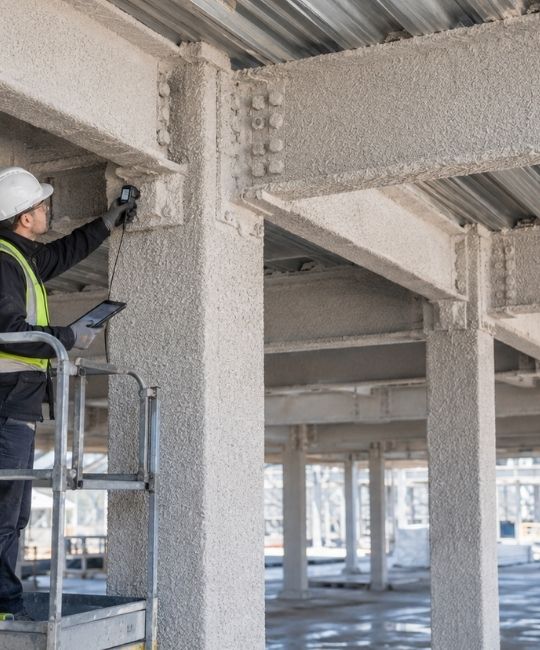
Independent Fire Inspections Ltd inspects visible structural steel fire protection systems to help identify defects, incomplete protection, damaged materials, poor installation details and areas where further review or remedial action may be required.
Why Structural Steel Fire Protection Matters
Structural steel fire protection is critical because the stability of a building during a fire depends on the performance of its load-bearing structure.
If steel protection is missing, damaged, incorrectly applied or incomplete, the steel may be exposed to heat more quickly than intended. This can reduce the effectiveness of the fire protection strategy and may increase the risk of structural failure during a fire.
Properly installed and maintained fire protection helps:
- Limit heat transfer to structural steel
- Support the fire resistance of load-bearing members
- Protect beams, columns and supporting steelwork
- Maintain the structural stability of the building
- Support compartmentation and escape strategy objectives
- Provide evidence for handover, maintenance and compliance records
Approved Document B includes guidance around structural fire resistance and fire-separating elements, while government research has also reviewed the provisions for structural fire resistance within Approved Document B.
Know The Risks. Plan The Solutions.
What Our Structural Steel Fire Protection Inspections Cover
During a structural steel fire protection inspection, our technicians review accessible steel protection systems to assess visible condition, coverage, installation quality and potential defects that may affect fire performance.
Coating Coverage & Completeness
We inspect whether the fire protection appears to cover the full extent of the structural steel members requiring protection, including beams, columns, junctions and areas where protection may be interrupted.
Capping & End Details
We review visible capping details, end closures and termination points to identify open edges, incomplete protection or areas where the steel may not be fully enclosed or protected.
Visual Coating Condition
We review the condition of visible intumescent coatings or wet spray systems, including cracking, flaking, impact damage, missing areas, poor adhesion, bubbling, surface defects or evidence of later disturbance.
Thickness Criteria
We assess available information relating to required thickness criteria where provided, helping clients understand whether visible protection appears consistent with the intended specification.
Dry Film Thickness Checks
For intumescent coatings, dry film thickness is a key consideration. Where within the agreed scope, checks can identify whether coating thickness appears suitable for the specified fire resistance and steel section.
Wet Film Thickness Checks
Where relevant during installation-stage reviews, wet film thickness information may support understanding of coating application and whether the system is being applied in line with the intended specification.
Material Suitability For The Environment
We consider whether the visible fire protection system appears appropriate for the surrounding environment, including internal, external, exposed, humid, industrial or high-risk areas where additional protection may be required.
Primer & Surface Preparation
We review any visible evidence of primer usage, surface preparation and coating build-up where it is accessible for our team to reach. Poor preparation or incompatible systems can affect adhesion and long-term performance.
Hp/A Values & Steel Member Information
Where information is available, Hp/A values and steel member details can be important in determining the required thickness for the structural steel. We review whether inspection records and visible protection appear aligned with the intended specification.
Coating Adhesion
Where within scope, adhesion-related observations can identify whether coatings appear bonded, stable and free from visible failure, detachment or breakdown.
Fire Protection Board Condition
We inspect visible fire protection boards, including condition, joints, edges, impact damage, gaps, missing sections, board alignment and associated construction.
Installation Method & Fixings
We inspect visible installation methods, including fixing centres, fixing length, support arrangements, board joints and system stability.
Clear, Evidence-Led Structural Steel Fire Protection Reports
Following a structural steel fire protection inspection, we provide a clear report that helps clients understand the condition of the inspected systems and any visible defects identified.
Our reports can include location-specific findings, photographic evidence, system observations, visible defect descriptions, coating or board concerns, access limitations and practical remedial recommendations. Where appropriate, findings can be organised by floor, area, steel member, gridline, riser, plantroom, ceiling void or compartment line.
This helps responsible persons, building owners, managing agents, contractors and project teams understand what has been inspected, where issues are located and what action may be required.
The aim is to provide practical information that can support remedial planning, maintenance records, contractor instruction and ongoing passive fire protection management.
Our Structural Steel Fire Protection Inspection Process
Our inspection process provides a clear, evidence-led review of accessible structural steel fire protection systems, including boards, intumescent coatings, wet spray protection, junctions, fixings and interfaces.
We record visible defects, capture photographic evidence and provide practical recommendations to support remedial works, compliance and maintenance planning.
Site Review & Inspection Planning
We review the building, available drawings, fire strategy information, steel protection records and inspection scope so the survey can be planned around access, risk areas and known structural steel locations.
Visual Inspection Of Protected Steelwork
Our technicians inspect accessible protected steel members, including beams, columns, junctions, connections, encasements, coatings and sprayed protection systems.
System & Installation Review
We review visible installation details such as board type, board thickness, fixing centres, coating condition, capping details, gaps, infills, primer information and system completeness.
Defect Identification & Evidence
We identify visible defects, access limitations and areas of concern, supported by clear photographic evidence and location-based inspection findings.
Practical Reporting
We provide a structured inspection report with findings and recommendations to support remedial works, maintenance planning and passive fire compliance.
Fire Protection Boards, Intumescent Coatings & Wet Spray Systems
Structural steel can be protected in several ways depending on the building, specification, exposure conditions and required fire resistance.
Fire protection boards are often used to encase steel members and provide a physical fire-resisting layer. Their performance depends on correct board type, thickness, fixing centres, joint treatment, gaps, capping details and installation quality.
Intumescent coatings are reactive coating systems that expand when exposed to heat, forming an insulating char layer around the steel. Their performance depends on factors such as surface preparation, primer compatibility, coating thickness, applied system, environmental suitability and final condition.
Wet spray fire protection systems are applied to structural steel to provide non-reactive fire protection. Their performance depends on correct application, coverage, thickness, adhesion, condition and protection from damage or disturbance.
The Association for Specialist Fire Protection publishes technical guidance covering fire protection for structural steel, including board systems, intumescent coatings and sprayed fire protection systems.
Common Defects We Identify
Structural steel fire protection defects can arise from original installation issues, later building works, impact damage, water exposure, poor coordination or lack of maintenance.
Common defects include incomplete coating coverage, damaged intumescent paint, missing board sections, unsealed joints, poor capping details, exposed steel, inadequate trapezoidal infills, incorrect or missing fixings, damaged wet spray protection, incompatible coating systems, poor adhesion, incomplete protection around connections and gaps at interfaces.
We may also identify issues where service installations, refurbishment works or later alterations have disturbed the original fire protection system.
These areas are important because even relatively small gaps, damaged sections or missing details can affect the intended fire performance of protected steelwork.
Identifying these defects early helps clients understand where structural steel fire protection may have been compromised and plan targeted remedial works to restore the intended level of protection.
Structural Steel Fire Protection Inspections For Different Buildings
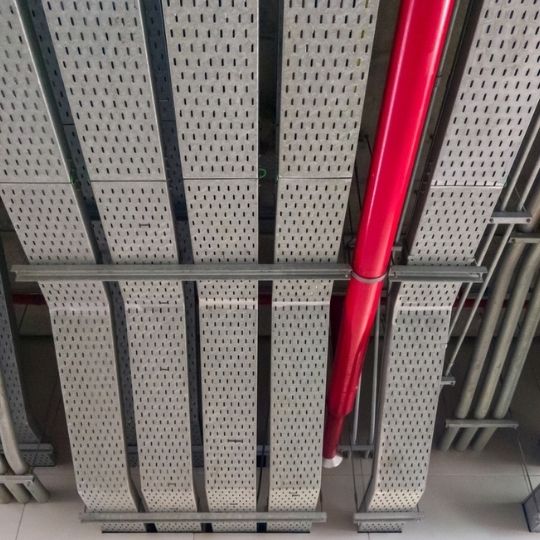
Independent Fire Inspections Ltd provides structural steel fire protection inspections across residential, commercial, healthcare, education, hospitality, industrial and public sector environments.
In existing buildings, inspections can help identify where fire protection boards, intumescent coatings or wet spray systems may have been damaged, altered, removed or compromised over time. This is particularly important where refurbishment works, service installations, leaks, impact damage or later construction activity may have affected the original protection.
For newer buildings, refurbishment schemes and construction projects, our inspections can help clients review visible installation quality and understand whether protected steelwork appears consistent with the intended fire strategy, specification or handover information.
Every building is different. Apartment blocks, offices, schools, hospitals, hotels, industrial buildings and mixed-use developments can all present different access challenges, structural arrangements and passive fire protection risks. Our focus is on providing clear findings, photographic evidence and practical recommendations that help clients manage fire safety more effectively.
Why Choose Independent Fire Inspections Ltd?
Independent Fire Inspections Ltd provides specialist passive fire inspection services with a practical, evidence-led approach.
We understand that structural steel fire protection inspections need to be clear, structured and useful. Our role is to help clients identify visible defects, understand potential risks and make informed decisions about remedial works, maintenance and ongoing fire safety management.
Clients choose us because we provide specialist passive fire inspection experience, clear reports with photographic evidence, practical remedial recommendations and inspection support for occupied, live and complex buildings.
Our reporting is designed for responsible persons, building owners, managing agents, facilities managers, contractors and project teams who need straightforward information they can use.
Specialist structural steel fire protection inspection experience
Detailed checks of intumescent coatings, boards and wet spray systems
Inspection services for occupied, live and complex buildings
Clear reports with photographic evidence and location-based findings
Support for protected steelwork, fixings, junctions and interfaces
Practical recommendations for remedial works and compliance records
Need A Structural Steel Fire Protection Inspection?
We can help identify visible defects, review fire protection coverage, inspect boards and coatings, assess installation details and provide structured reports to support remedial works, planning and passive fire compliance.
Structural Steel Fire Protection Inspection FAQs
What is a structural steel fire protection inspection?
A structural steel fire protection inspection is a review of accessible fire protection systems applied to steel beams, columns and other load-bearing members. This can include fire protection boards, intumescent coatings, wet spray systems, fixings, joints, capping details, coating condition and visible defects.
Why does structural steel need fire protection?
Structural steel can lose strength when exposed to high temperatures. Fire protection systems help limit heat transfer to the steel so that load-bearing members can maintain their intended structural performance for the required period of fire resistance.
What types of structural steel fire protection can be inspected?
Independent Fire Inspections Ltd can inspect visible fire protection boards, intumescent coatings, wet spray systems, encasements, joints, fixings, capping details, infills and interfaces between different protection systems.
What are common defects in intumescent coatings?
Common defects include incomplete coverage, cracking, flaking, poor adhesion, damaged coating, inadequate thickness, incompatible primers, poor surface preparation and areas disturbed by later works.
What are common defects in fire protection board systems?
Common defects include missing boards, damaged boards, open joints, poor capping, incorrect fixings, inadequate fixing centres, insufficient fixing length, gaps at interfaces and incomplete protection around steel connections.
What is dry film thickness?
Dry film thickness refers to the thickness of a coating once it has dried. For intumescent coatings, dry film thickness is important because the required thickness is linked to the steel section, fire resistance period and system specification.
Can wet spray fire protection be inspected?
Yes. Wet spray fire protection systems can be visually inspected for condition, coverage, damage, adhesion concerns, missing areas, disturbance and consistency across accessible steelwork.
Can inspections support remedial works?
Yes. A clear inspection report can help identify where defects are located, what has been observed and what remedial action may be required. This supports contractor instruction, maintenance planning and passive fire protection management.
Browse Our Resources
Our Services
Practical passive fire inspection services covering fire doors, compartmentation, fire stopping and key life safety measures.
Accreditations
Trusted fire safety expertise supported by recognised training, professional standards and inspection-led knowledge.
Learn About Us
Experienced fire inspection specialists helping clients identify defects, reduce risk and maintain safer buildings.
Read Our Blogs
Useful fire safety guidance, inspection advice and updates on passive fire protection, compliance and building safety.
Learn more about how we can help protect your building’s structural fire protection



Send Us A Message
Need A Professional Fire Door Inspection?
Speak to Independent Fire Inspections for clear, practical fire door inspection support. We provide detailed inspection reports, photographic evidence and remedial recommendations to help you understand the condition of your fire doors and manage your fire safety responsibilities.