
FIRE SAFETY COMPLIANCE
RIBA Stage 5 Passive Fire Protection Inspection
RIBA Stage 5 is the point where passive fire protection quality needs to be actively managed, inspected and recorded before key elements become concealed. Our support can help with:
- Independent passive fire protection inspection during construction
- RIBA Stage 5 inspection planning, hold points and pre-close checks
- Review of fire stopping, cavity barriers, risers and compartmentation interfaces
- Inspection of structural steel protection, linear joints and service penetrations
- Clear reporting to support QA, remediation, handover and Regulation 38 evidence
UK Regulatory Compliance
Experienced Fire Specialists
Audit-Ready Reports
Trusted By Clients Nationwide
Independent Passive Fire Protection Inspection During Construction
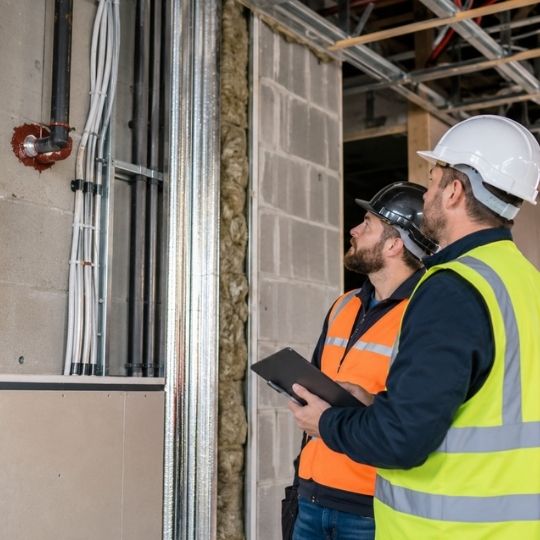
During RIBA Stage 5, passive fire protection moves from design intent into installed construction. This is where fire stopping, cavity barriers, linear joints, fire-resisting walls, shaft wall interfaces, structural steel protection and service penetrations need to be checked against the project requirements and available product evidence.
IFI Group supports contractors, clients, design teams and dutyholders with independent inspection during the construction phase, helping identify defects, coordination issues and evidence gaps before they become hidden behind ceilings, risers, wall linings, boxing or architectural finishes.
Our approach is practical, technical and evidence-led. We help project teams understand what has been installed, what evidence supports it, what defects need action and what information should be captured before areas are closed up.
Why RIBA Stage 5 Passive Fire Protection Inspection Matters
Many passive fire protection defects are created during installation, sequencing or coordination of services.
A design may be suitable on paper, but the actual site condition can quickly move outside the tested or assessed detail if openings change, services are added, substrates differ, or multiple trades alter the same compartment line.
Once ceilings, risers, wall linings, service cupboards and architectural boxing are complete, verification becomes more difficult, disruptive and expensive.
In some cases, retrospective inspection may require opening-up works, representative investigation or additional technical review.
RIBA Stage 5 inspection helps reduce this risk by identifying issues while the works are still accessible.
This supports better quality control, clearer evidence capture and a more controlled close-out process for passive fire protection packages.
Evidence-Based Construction Inspection
Passive fire protection inspection should not rely on appearance alone. A penetration seal, cavity barrier or protected steel detail may look complete but still fall outside the supported evidence if the product, substrate, service type, aperture size, annular gap, fixing method or fire resistance period does not match the relevant tested or assessed detail.
During Stage 5, IFI Group can help project teams review both the installation and the supporting evidence. This may include product data sheets, installation records, photographs, drawings, fire strategy information, test reports, assessment evidence, manufacturer details, DFT records, calibration records and remedial proposals.
Where evidence is missing or unclear, this should be identified early so that the project team can obtain further information before works are accepted or concealed.
Inspection Planning & Hold Points
A good RIBA Stage 5 inspection strategy should be planned before passive fire protection works are completed or concealed.
IFI Group can help define inspection lots, hold points, sample strategy, pre-close inspections, evidence requirements, defect response times and close-out procedures.
This helps project teams understand when inspections should take place, what areas need to be available, what information must be recorded and how defects should be tracked through to resolution.
Inspection planning can also help align site teams, package contractors, design teams and client representatives so that passive fire protection is not treated as a last-minute handover issue.
What We Check
RIBA Stage 5 passive fire protection inspections can cover a wide range of installed systems and compartmentation details, depending on the project scope.
Inspections can include fire stopping, service penetrations, mixed service openings, linear joints, wall-head details, cavity barriers, fire-resisting walls, shaft wall interfaces, risers, dampers, fire stopping around services, structural steel fire protection, board encasements, intumescent coatings and interfaces between different passive fire protection systems.
Where required, we can also review the installed condition against manufacturer details, test evidence, assessed details, fire strategy requirements, drawings, product data, pin records and site photographs.
The aim is to help confirm whether the visible works appear consistent with the intended specification and whether any further evidence, remediation or technical review is required.
Best Fit Projects
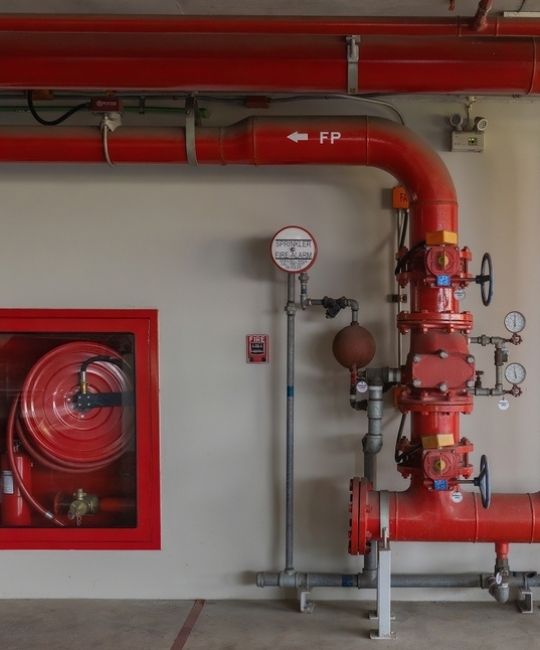
RIBA Stage 5 passive fire protection inspection is suitable for commercial developments, residential buildings, high-rise residential projects, healthcare premises, education buildings, government properties, hotels, mixed-use schemes, refurbishment projects, CAT-A and CAT-B fit-outs, remediation schemes and complex construction projects.
It is particularly valuable where multiple trades are working across the same compartment lines, where services are being installed through fire-resisting construction, or where important passive fire protection details may soon become concealed.
Outputs For Project Teams
IFI Group can provide clear, structured outputs that support project quality assurance, defect management and close-out.
Typical outputs can include inspection reports, photographic evidence, pin registers, non-conformance schedules, defect schedules, QA comments, missing information schedules, remedial action notes and handover evidence recommendations.
Where agreed, inspection outputs can be aligned with project systems such as PlanRadar, pin-based records, photographic close-out trackers or other digital QA platforms.
Our reporting is designed to be practical and useful for contractors, clients, design teams and responsible persons. It helps show what has been inspected, what evidence has been reviewed, what defects remain open and what actions may be required before close-out.
Supporting Handover & Regulation 38 Evidence
RIBA Stage 5 inspection can play an important role in improving the quality of passive fire protection handover records.
By capturing evidence while works are still accessible, project teams can build a clearer record of installed fire stopping, cavity barriers, structural protection, compartmentation interfaces and remedial works.
This can support handover, quality assurance, future maintenance and Regulation 38 evidence packs.
IFI Group can help identify what information should be gathered, where evidence is incomplete and what further inspection, manufacturer input or technical review may be needed before works are accepted.
Common Issues Identified During RIBA Stage 5
Common issues during construction include unsealed penetrations, incorrect fire stopping products, unsupported services, excessive annular gaps, missing labels, poor seal depth, incomplete cavity barriers, unverified wall-head details, damaged fire-resisting construction, incomplete shaft wall interfaces and missing evidence for installed details.
We also frequently see problems where later trade works disturb previously completed fire stopping, where risers are closed before inspection, where board encasements are undocumented, or where intumescent coating evidence is incomplete.
Identifying these issues during RIBA Stage 5 allows the project team to respond before finishes are complete, helping reduce rework, delay and uncertainty at handover.
Request A DFT Survey Scope
Send us your steel drawings, coating specification, DFT records, photographs, product data, fire period requirements, pin records or defect schedule.
RIBA Stage 5 Passive Fire Protection Inspection FAQs
When should IFI be appointed for RIBA Stage 5 inspection?
Ideally, IFI should be appointed before passive fire protection works begin.
This allows inspection hold points, evidence requirements, defect response procedures and close-out expectations to be agreed early.
Early appointment also helps reduce the risk of important details being concealed before they have been inspected or properly recorded.
Can you support fast-moving fit-out projects?
Yes. A structured inspection regime can be particularly useful on fast-moving fit-out projects where ceilings, risers, wall linings and service areas are closed quickly.
By agreeing inspection lots, hold points and reporting routes in advance, project teams can reduce rework and prevent defects being hidden behind completed finishes.
Can inspection be linked to PlanRadar or similar systems?
Yes. Inspection outputs can be aligned with project pin systems, photographic records and close-out registers where agreed.
This can help project teams track defects, manage remedial works, maintain evidence records and demonstrate progress through the construction phase.
What passive fire protection works can be inspected at RIBA Stage 5?
RIBA Stage 5 inspections can cover fire stopping, service penetrations, cavity barriers, linear joints, fire-resisting walls, shaft wall interfaces, risers, dampers, structural steel protection, board encasements and interfaces between passive fire protection systems.
The exact scope should be agreed based on the project design, programme, risk profile and inspection requirements.
Why is pre-close inspection important?
Pre-close inspection is important because many passive fire protection details become difficult or impossible to verify once ceilings, risers, boxing, wall linings and finishes are installed.
Inspecting before closure helps identify defects while they are still accessible and allows photographic evidence to be captured for handover and close-out records.
Does RIBA Stage 5 inspection replace contractor quality assurance?
No. Independent inspection does not replace contractor quality assurance, competent installation or the need for suitable product evidence.
It provides an additional layer of review, helping clients and project teams identify defects, evidence gaps and areas that may require further action before acceptance or handover.
Browse Our Resources
Our Services
Practical passive fire inspection services covering fire doors, compartmentation, fire stopping and key life safety measures.
Accreditations
Trusted fire safety expertise supported by recognised training, professional standards and inspection-led knowledge.
Learn About Us
Experienced fire inspection specialists helping clients identify defects, reduce risk and maintain safer buildings.
Read Our Blogs
Useful fire safety guidance, inspection advice and updates on passive fire protection, compliance and building safety.
Request An Inspection Scope





Send Us A Message
Need A Professional Fire Door Inspection?
Speak to Independent Fire Inspections for clear, practical fire door inspection support. We provide detailed inspection reports, photographic evidence and remedial recommendations to help you understand the condition of your fire doors and manage your fire safety responsibilities.