
FIRE SAFETY COMPLIANCE
Fire-Rated Glazing & Screens Inspection
Professional inspection services for fire-rated glazing, glazed screens, vision panels and fire-resisting glass systems within residential, commercial, healthcare, education and complex buildings.
- Fire-Rated Glazing Inspections
- Fire-Resisting Screen Checks
- Vision Panel & Door Glazing Reviews
- Framing, Beading & Seal Inspections
- Clear Reports & Remedial Recommendations
UK Regulatory Compliance
Experienced Fire Specialists
Audit-Ready Reports
Trusted By Clients Nationwide
What Are Fire-Rated Glazing & Screens?
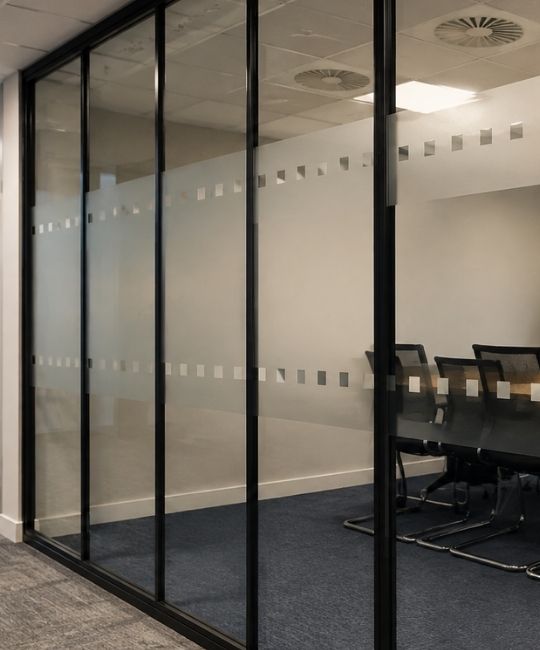
Fire-rated glazing and screens are passive fire protection systems used where visibility, daylight or open visual connection is required within fire-resisting doors, partitions, screens, corridors and compartment lines.
Unlike standard glazing, fire-rated glazing must form part of a tested fire-resisting system. Its performance depends not only on the glass itself, but also on the surrounding frame, beads, seals, fixings, supporting construction and installation details.
Fire-rated glass may be specified to provide different levels of performance. Some systems provide integrity, helping resist the passage of flames and hot gases. Others may also provide radiation control or insulation, helping reduce radiant heat transfer or temperature rise on the non-fire side, depending on the glass classification and tested system.
Independent Fire Inspections Ltd inspects visible fire-rated glazing and screen systems to help identify defects, incomplete installation, damage, missing components or areas where further verification may be required.
Why Fire-Rated Glazing & Screens Matter
Fire-rated glazing and screens are important because they often sit within the same compartment lines, fire-rated partitions and protected routes that are expected to restrict fire and smoke spread.
If glazing is damaged, incorrectly installed or not part of a suitable tested system, it may not perform as intended during a fire. Similarly, issues with framing, beading, seals, fixings or supporting construction can compromise the performance of the whole glazed assembly.
Correctly specified, installed and maintained fire-rated glazing can help:
- Maintain fire compartmentation
- Support protected escape routes
- Provide visibility and light within fire-rated construction
- Help resist the spread of flames and hot gases
- Reduce radiation or heat transfer where the specified glass classification requires it
- Support the wider passive fire protection strategy of the building
Approved Document B provides fire safety guidance for buildings, including fire-resisting construction, protected routes and fire safety provisions relating to doors, enclosures and separating elements.
Know The Risks. Plan The Solutions.
What Our Fire-Rated Glazing & Screens Inspections Cover
During a fire-rated glazing and screens inspection, our technicians review accessible fire-resisting glazed screens, vision panels, frames, beads, seals, supporting construction and associated details to assess visible condition, installation quality and potential defects that may affect fire performance.
Fire-Rated Glazed Screen Identification
We inspect and record visible information relating to the fire-rated glazed screen, including location, screen type, and any available manufacturer or system identification. Where labels, markings or supporting information are present, we note these details.
Manufacturer & System Information
Where labels, markings, documentation or visible product information are available, we review whether the glazed assembly can be linked to a known manufacturer, tested system or fire-rated glazing specification.
Glass Type & Fire Classification
We review visible glass markings and available information to help identify the type of fire-rated glass and its intended performance classification, such as integrity, radiation control or insulation where this can be confirmed.
Supporting Construction
We inspect the supporting wall, partition, door or screen construction around the glazing to identify visible defects, movement, damage, gaps or inconsistencies that may affect the fire performance.
Glazing Seals & Gaskets
We inspect visible seals, gaskets and glazing materials around the glass and frame, looking for damage, gaps, poor fitting, missing components, deterioration or unsuitable replacement materials.
Damage, Alterations & Visual Condition
We inspect for visible damage, cracks, impact marks, poor repairs, unauthorised alterations, replacement panes or changes to frames and glazing components that may affect fire performance.
Overall Height, Width & Depth
We record the approximate dimensions and arrangement of the glazed screen or vision panel, including height, width, depth and general configuration where accessible.
Panel Size & Glass Thickness
We review individual pane sizes and visible glass thickness where possible, as these details can affect whether the installation aligns with the tested fire-rated glazing system.
Fixing Method & Frame Support
We review the visible fixing methods, frame support, restraint and quality of installation, so that our technicians may identify any loose, missing, unsuitable or inconsistent fixing details.
Intermediate Framing Members
We inspect visible mullions, transoms and intermediate framing members to check condition, alignment, continuity and any obvious defects that may affect system performance.
Beading System Details
We review the visible beading system, including bead condition, continuity, security and whether there are any signs of missing, damaged, loose or unsuitable beads.
Junctions & Perimeter Details
We check perimeter details where screens interface with walls, floors, ceilings, doors or partitions, identifying gaps, joints, damage or areas where bypasses of the intended fire-resisting construction could occur.
Fire-Rated Glass, Frames & Tested Systems
Fire-rated glazing should be considered as a complete system, not just a pane of glass. A fire-resisting glazed screen or door vision panel relies on the correct combination of glass, frame, beads, glazing seals, setting blocks, fixings and supporting construction.
This is important because a fire-rated glass pane installed into the wrong frame, with the wrong beads or without the correct glazing system may not provide the intended fire resistance.
Where information is available, inspections can help compare visible installation details against design information, manufacturer guidance, fire strategy information, certification records or handover documentation.
Our role is to provide clear, evidence-led inspection findings so clients can understand where visible defects exist, where information appears incomplete and where further specialist verification may be needed.
Our Fire-Rated Glazing & Screens Inspection Process
Our inspection process provides a clear, evidence-led review of accessible fire-rated glazing, glazed screens, vision panels, framing systems, beading, seals and surrounding construction. We record visible defects, capture photographic evidence and provide practical recommendations to support remedial works, compliance and maintenance planning.
Site Review & Inspection Planning
We review the building, available drawings, fire strategy information, glazing records and inspection scope so the survey can be planned around access, risk areas and known screen locations.
Visual Inspection Of Glazing & Screens
Our technicians inspect accessible fire-rated glazed screens, vision panels, frames, beads, seals, junctions and surrounding construction.
System & Installation Review
We review visible installation details such as glass type, pane size, frame condition, beading, fixing method, supporting construction, perimeter details and available manufacturer information.
Defect Identification & Evidence
We identify visible defects, access limitations and areas of concern, supported by clear photographic evidence and location-based inspection findings.
Practical Reporting
We provide a structured inspection report with findings and recommendations to support remedial works, system verification, maintenance planning and passive fire compliance.
Clear, Evidence-Led Fire-Rated Glazing Inspection Reports
Following a fire-rated glazing and screens inspection, we provide a clear report that helps clients understand the condition of the inspected systems and any visible defects identified.
Our reports can include location-specific findings, photographic evidence, visible defect descriptions, glazing and screen observations, access limitations, system verification concerns and practical remedial recommendations.
Where appropriate, findings can be organised by floor, area, room, screen reference, door reference, corridor, compartment line or protected route. This helps responsible persons, building owners, managing agents, contractors and facilities teams understand what has been inspected, where issues are located and what action may be required.
The aim is to provide practical information that can support remedial planning, contractor instruction, maintenance records and ongoing passive fire protection management.
Common Defects We Identify
Fire-rated glazing and screens can be compromised by poor installation, later alterations, damage, missing components or lack of supporting documentation.
Common defects include damaged or cracked glass, missing glass markings, incorrect replacement glass, loose or missing beads, damaged glazing seals, unsuitable gaskets, incomplete perimeter sealing, visible gaps around frames, poorly supported screens, damaged frames, inconsistent fixing details and glazed panels that cannot be verified against available fire-rated system information.
We also commonly identify issues where later refurbishment works, decoration, maintenance activity or door replacement works have altered the original glazing or screen arrangement. Even small changes to the glass, frame, beads or seals can affect the intended performance of a tested fire-rated glazing system.
Identifying these defects early helps clients understand where fire-rated glazing or screens may have been compromised and plan targeted remedial works, further verification or replacement where required.
Fire-Rated Glazing & Screen Inspections For Different Buildings
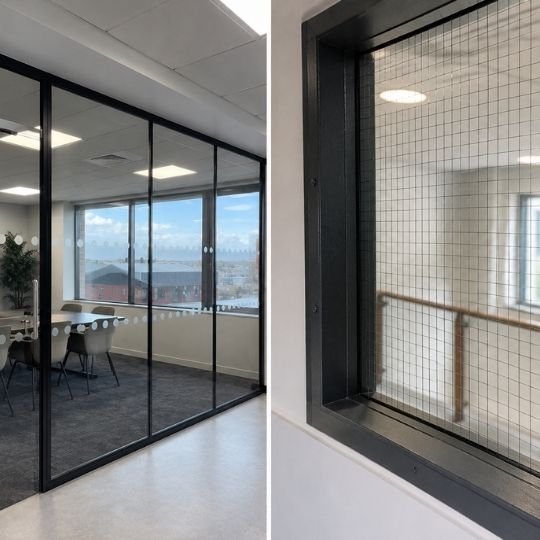
Independent Fire Inspections Ltd provides fire-rated glazing and screen inspection services across residential, commercial, healthcare, education, hospitality, industrial and public sector environments.
In existing buildings, inspections can help identify where glazed screens, door vision panels, fire-rated frames, beads, seals and surrounding construction may have been damaged, altered, replaced or compromised over time. This is particularly important where refurbishment works, door replacements, fit-out activity or maintenance works may have affected the original fire-rated glazing system.
For newer buildings, refurbishment schemes and construction projects, our inspections can help clients review visible installation quality and understand whether fire-rated glazing and screen systems appear consistent with the intended fire strategy, specification or handover information.
Every building is different. Apartment blocks, offices, schools, hospitals, hotels, care homes and mixed-use developments can all present different glazing arrangements, access challenges and passive fire protection risks. Our focus is on providing clear findings, photographic evidence and practical recommendations that help clients manage fire safety more effectively.
Why Choose Independent Fire Inspections Ltd?
Independent Fire Inspections Ltd provides specialist passive fire inspection services with a practical, evidence-led approach.
We understand that fire-rated glazing and screens inspections need to be clear, structured and useful. Our role is to help clients identify visible defects, understand potential risks and make informed decisions about remedial works, replacement, maintenance and ongoing fire safety management.
Clients choose us because we provide specialist passive fire inspection experience, clear reports with photographic evidence, practical remedial recommendations and inspection support for occupied, live and complex buildings.
Our reporting is designed for responsible persons, building owners, managing agents, facilities managers, contractors and project teams who need straightforward information they can use.
Extensive specialist fire-rated glazing and screen inspection experience
Detailed checks of glass, frames, beads, seals and gaskets
Inspection support for occupied, live and complex buildings
Clear reports with photographic evidence and location-based findings
Support for vision panels, glazed screens and compartment lines
Practical recommendations for remedial works and system verification
Need A Fire-Rated Glazing & Screens Inspection?
We can help identify visible defects, review fire-rated screens and vision panels, inspect frames, beads, seals and perimeter details, and provide structured reports to support remedial works, replacement decisions, maintenance planning and passive fire compliance.
Fire-Rated Glazing & Screens Inspections FAQs
What is a fire-rated glazing and screens inspection?
A fire-rated glazing and screens inspection is a review of accessible fire-resisting glazed screens, door vision panels, frames, beads, seals and surrounding construction.
The inspection helps identify visible defects that may affect fire resistance, compartmentation and protected escape routes.
Why is fire-rated glazing important?
Fire-rated glazing helps maintain visibility and light while supporting fire-resisting construction.
Depending on the system and classification, it may help resist flames and hot gases, reduce radiant heat or provide insulation as part of a tested fire-rated assembly.
What does a fire-rated glazing inspection include?
A fire-rated glazing inspection can include checks on the glass type, fire classification, screen identification, manufacturer information, pane size, glass thickness, frame condition, fixing method, beading, seals, gaskets, perimeter details and visible damage.
Is fire-rated glass different from normal safety glass?
Yes. Standard toughened or laminated safety glass is not the same as fire-rated glass.
Fire-rated glass must form part of a tested fire-resisting system and should be suitable for the required fire performance and location.
What are common defects in fire-rated glazing?
Common defects include cracked glass, missing markings, incorrect replacement panes, damaged frames, loose or missing beads, poor seals, unsuitable gaskets, unsealed perimeter gaps, damaged vision panels and lack of supporting system documentation.
Can fire-rated screens affect compartmentation?
Yes. Fire-rated screens can form part of compartment lines, protected corridors, stair enclosures or fire-resisting partitions. If the screen, frame, glass or perimeter details are defective, compartmentation may be compromised.
Do you inspect fire-rated glazing in doors?
Yes. Where included within the agreed scope, we can inspect fire-rated glazing and vision panels within fire doors, including visible glass condition, beads, seals, frame details and signs of damage or alteration.
Can inspections support remedial works?
Yes. A clear inspection report can help identify where defects are located, what has been observed and what remedial action, further verification or replacement may be required.
Browse Our Resources
Our Services
Practical passive fire inspection services covering fire doors, compartmentation, fire stopping and key life safety measures.
Accreditations
Trusted fire safety expertise supported by recognised training, professional standards and inspection-led knowledge.
Learn About Us
Experienced fire inspection specialists helping clients identify defects, reduce risk and maintain safer buildings.
Read Our Blogs
Useful fire safety guidance, inspection advice and updates on passive fire protection, compliance and building safety.
Want more info on fire-rated ducting & dampers inspections?







Send Us A Message
Need A Professional Fire Door Inspection?
Speak to Independent Fire Inspections for clear, practical fire door inspection support. We provide detailed inspection reports, photographic evidence and remedial recommendations to help you understand the condition of your fire doors and manage your fire safety responsibilities.