
FIRE SAFETY COMPLIANCE
Independent Fire Designer For Passive Fire Remediation
IFI Group can support passive fire remediation projects where defects have been identified and a structured feasibility, design, evidence and inspection route is needed. Our support can help with:
- Independent fire design support for passive fire remediation projects
- Review of fire stopping, risers, shaft walls and compartmentation interfaces
- Technical input for CAT-A remediation, fit-out interfaces and PFP close-out
- Assessment of structural steel protection defects and remedial options
- Inspection planning, evidence review and practical close-out recommendations
UK Regulatory Compliance
Experienced Fire Specialists
Audit-Ready Reports
Trusted By Clients Nationwide
Passive Fire Remediation Design Support
Passive fire remediation is often more complex than new-build inspection because the existing condition may be unclear, concealed or inconsistent with the original design intent. Defects can involve fire stopping, structural steel protection, shaft walls, risers, compartmentation lines, service penetrations and interfaces between multiple passive fire protection systems.
IFI Group supports clients, contractors, design teams and dutyholders by helping define a clear route from defect identification through to feasibility review, remedial design, inspection requirements and close-out evidence.
This service is suitable for CAT-A remediation, fit-out interface issues, structural steel protection defects, riser remediation, complex compartmentation defects and passive fire protection packages where a clear design and evidence route is required before works can be accepted.
What The Role Involves
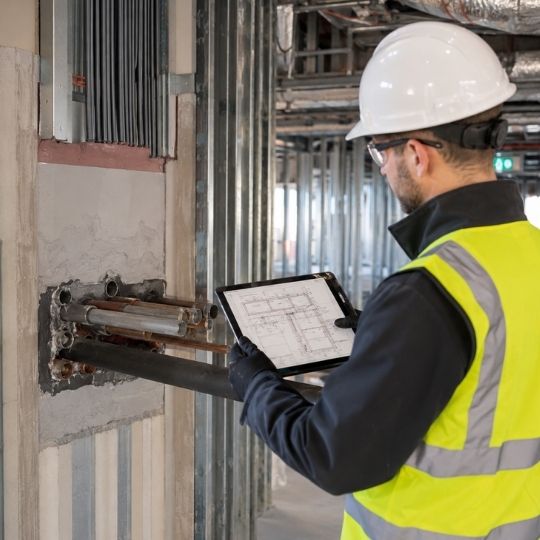
The role of an independent fire designer for passive fire remediation is to help the project team understand the defect, the evidence gap and the practical route to resolution.
IFI Group can review existing information, identify defects and missing evidence, develop or comment on remedial options, review engineered solutions, coordinate with consultants and contractors, and define inspection and test requirements.
Our input can help bridge the gap between inspection findings, design intent, product evidence and practical site delivery.
This is particularly valuable where several parties are involved, where the existing condition is not fully known, or where the proposed remediation detail needs to be supported before works proceed.
Feasibility Study Support
At feasibility stage, IFI Group can help compare remediation options and identify which routes appear most practical, evidence-led and buildable.
This can include reviewing access constraints, service congestion, programme implications, sequencing issues, temporary works considerations, existing finishes, opening-up requirements and the likely level of evidence needed before final acceptance.
Early feasibility review helps reduce the risk of selecting a remediation option that later proves difficult to install, inspect, evidence or close out. It also gives clients and project teams a clearer understanding of what information is missing before costs, programmes and scopes are finalised.
Design & Construction Detail Review
Passive fire remediation details should not be assessed in isolation. A suitable remedial approach needs to consider the fire strategy, structural requirements, product evidence, wall and shaft interfaces, service arrangements, inspection access, installation sequence and QA records.
IFI Group can review proposed remediation details against available drawings, photographs, pin records, product data, test evidence, manufacturer guidance, assessed details and site constraints.
Where the proposed solution appears unsupported, incomplete or outside the available evidence, we can identify the limitation and recommend further manufacturer input, fire engineering review, opening-up, inspection hold points or alternative remedial options.
Typical Remediation Scenarios
Independent fire design support can be valuable where passive fire protection defects are not straightforward to repair using a standard detail.
Typical scenarios include congested risers, mixed service penetrations, undocumented fire stopping, incomplete shaft wall interfaces, wall-head defects, structural steel protection omissions, damaged intumescent coatings, board encasement issues, compartmentation defects above ceilings and fit-out works that have altered existing fire-resisting construction.
It can also support projects where CAT-A or CAT-B works interface with existing fire stopping, risers, shafts, structural protection or compartment lines, and where responsibility for remediation needs to be clearly defined between contractors, landlords, tenants and design teams.
QA, Inspection & Close-Out Support
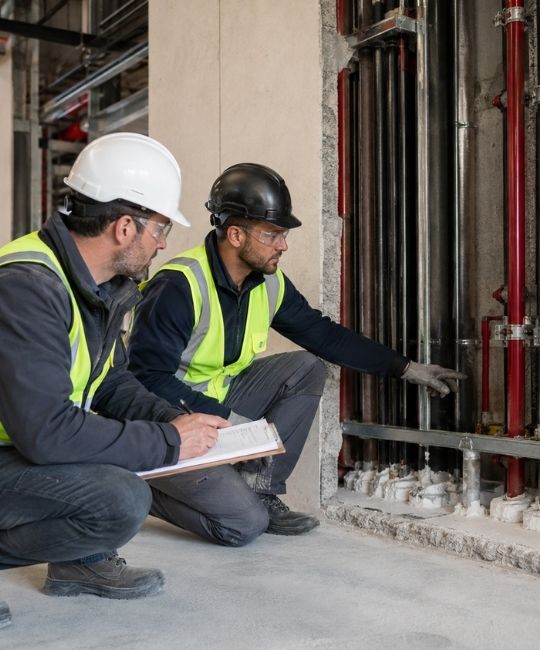
A remediation design is only useful if it can be installed, inspected and evidenced correctly.
IFI Group can support inspection and test plans, hold points, wet film thickness checks, dry film thickness checks, adhesion testing requirements, independent inspection notes, photographic evidence schedules, pin records, defect registers and final review comments.
This helps project teams capture evidence at the right time, before details become concealed or difficult to verify. It also supports a clearer close-out process by identifying what has been inspected, what evidence has been reviewed, what remains unresolved and what further action may be required.
Supporting Evidence Packs & Regulation 38 Information
Passive fire remediation projects often need a clear evidence trail to support handover, future maintenance and Regulation 38 information.
IFI Group can help review whether the evidence pack contains suitable drawings, photographs, product data, test evidence, installation records, inspection notes, remedial records, manufacturer input and final close-out comments.
Where evidence is incomplete, we can help identify what information should be obtained before the detail is accepted. This is particularly important where the original construction is not fully documented or where the remedial design relies on a project-specific assessed detail or engineered solution.
Working With The Wider Project Team
The appointment should clearly define responsibilities between IFI Group, the client, principal contractor, design team, fire engineer, structural engineer, product manufacturer and specialist installer.
IFI Group can support independent fire design and passive fire protection technical review within the agreed appointment scope.
However, fire strategy changes, structural fire engineering assessments or product-specific judgements may require input from the relevant project specialist.
Our role is to help bring clarity to the remediation process by identifying defects, reviewing evidence, advising on practical options and helping define how the works should be inspected, recorded and closed out.
Best Fit Projects
Independent fire design support for passive fire remediation is well suited to commercial buildings, residential blocks, high-rise residential schemes, healthcare premises, education buildings, government properties, hotels, mixed-use developments, CAT-A and CAT-B fit-outs, remediation programmes and complex occupied buildings.
It is particularly useful where passive fire protection defects have already been identified and the project team needs a structured route for feasibility review, remedial design, evidence gathering, inspection planning and final close-out.
Request A Passive Fire Remediation Design Scope
IFI Group can review the available information, identify likely evidence gaps and advise on the most appropriate next step for passive fire remediation design support, technical review, inspection planning or close-out.
Independent Fire Designer For Passive Fire Remediation FAQs
Is this only for intumescent coatings?
No. Independent fire design support for passive fire remediation can include fire stopping, risers, shaft walls, structural steel protection, compartmentation defects, cavity barriers, wall-head details and interfaces between different passive fire protection systems.
Intumescent coating and structural steel protection defects may form part of the review, but the service can also support wider passive fire protection remediation.
Can IFI replace the fire engineer?
The appointment should define responsibilities clearly. IFI Group can support independent fire design, passive fire protection technical review, remediation option review, inspection planning and close-out support within the agreed scope.
However, fire strategy changes, structural fire engineering assessments or product-specific engineering judgements may require input from the relevant fire engineer, structural engineer, manufacturer, test house or certification body.
What makes remediation different from new-build inspection?
Remediation often involves unknown existing conditions, concealed defects, limited access, services already in place and details that no longer match standard tested arrangements.
This makes the evidence route more complex. The project team may need opening-up, feasibility review, manufacturer input, engineered solutions, phased inspection and carefully recorded close-out evidence.
When should IFI be involved in a passive fire remediation project?
Ideally, IFI Group should be involved before remedial works are finalised or priced.
Early input helps identify access constraints, missing evidence, buildability issues, inspection requirements and potential limitations in the proposed remediation route.
This can reduce the risk of selecting a solution that cannot be properly installed, evidenced or accepted at close-out.
Can IFI help review remediation options?
Yes. IFI Group can help compare remediation options against available evidence, site constraints, inspection access, programme implications, buildability and close-out requirements.
Where a proposed detail is not clearly supported, we can identify the limitation and recommend further manufacturer input, technical review or alternative remedial options.
What information should we send for review?
Useful information can include fire strategy documents, drawings, photographs, pin records, defect schedules, previous inspection reports, product data, test evidence, manufacturer guidance, existing remediation proposals, access information and programme constraints.
The more complete the information pack, the easier it is to identify the correct route for feasibility review, design support, inspection and close-out.
Browse Our Resources
Our Services
Practical passive fire inspection services covering fire doors, compartmentation, fire stopping and key life safety measures.
Accreditations
Trusted fire safety expertise supported by recognised training, professional standards and inspection-led knowledge.
Learn About Us
Experienced fire inspection specialists helping clients identify defects, reduce risk and maintain safer buildings.
Read Our Blogs
Useful fire safety guidance, inspection advice and updates on passive fire protection, compliance and building safety.
Request An Inspection Scope






Send Us A Message
Need A Professional Fire Door Inspection?
Speak to Independent Fire Inspections for clear, practical fire door inspection support. We provide detailed inspection reports, photographic evidence and remedial recommendations to help you understand the condition of your fire doors and manage your fire safety responsibilities.